5 minute read
Hey girlies! Welcome to the third post in the “So I just Graduated” series! 🥳 If you’re loving these posts as much as I am, buckle up, because today we’re talking about something super important: credit. You’ve probably heard people say, “credit is dangerous” or “stay away,” but I’m here to tell you that credit, when used responsibly, can be a game changer in building wealth. This blog post will be your beginner’s guide to understanding credit—kind of like Credit 101. Let’s dive in!
What’s a Credit Card? Let’s Break It Down 💳
A credit card is basically a tool that lets you borrow money up to a limit set by the issuer (usually a bank or financial institution). This limit, called your credit limit, depends on factors like your income and credit history. Some cards even offer a cash line of credit (LOC), letting you withdraw cash through ATMs or convenience checks. Lenders use your credit score to decide if they can trust you to repay loans. Want an apartment, a car loan, or a mortgage? You’ll need good credit. Credit cards are safer than cash, easier to carry, and often come with perks like cash back, airline miles, or discounts. Credit cards aren’t just for splurging on Pumpkin Spice Lattes. They’re tools—kind of like a hammer. Use it the right way, and you can build something amazing. Use it recklessly, and, well… ouch.
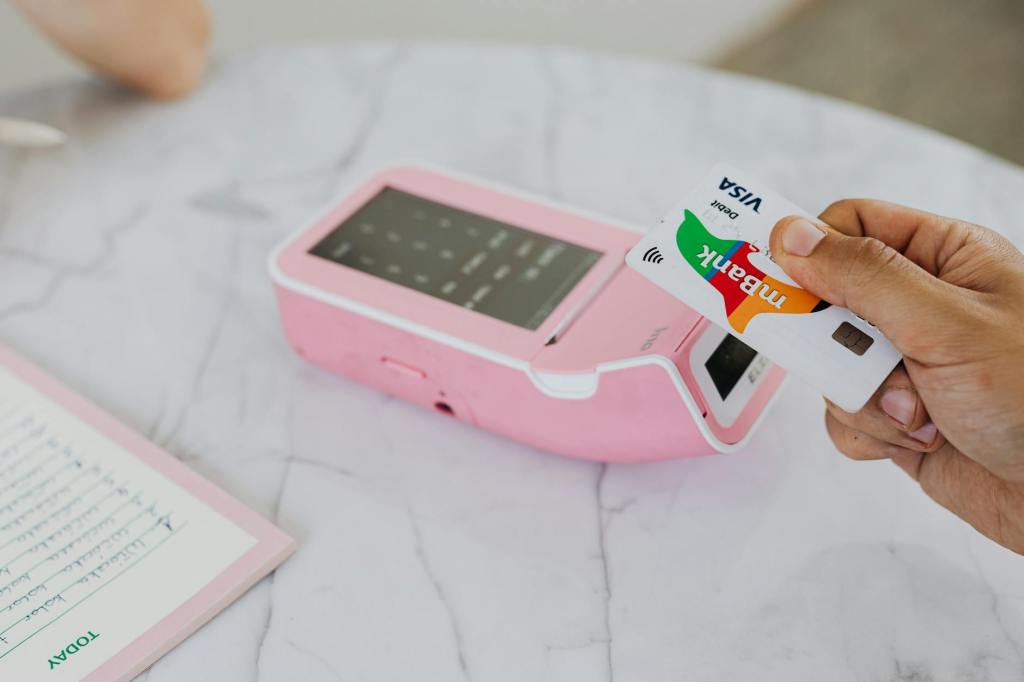
Debit Card vs. Credit Card: The $15 T-Shirt Saga 👚
Picture this: You see the cutest $15 T-shirt. Here’s how the drama unfolds depending on how you pay:
- With a Debit Card:
- Swipe, $15 vanishes from your bank account, and your balance drops to $85 from $100. Easy, breezy, no drama. 🛍️
- With a Credit Card (Paid in Full):
- The credit card company covers your $15.
- You pay it off at the end of the month, and the shirt still costs just $15. Very smart and responsible of you ✅
- With a Credit Card (Minimum Payment Only):
- You pay only the minimum amount due (e.g., $5). The unpaid $10 starts accruing interest immediately.
- Assuming a 25% Annual Percentage Rate (APR), that’s about $0.21 in interest after 30 days ($10 × 0.068% daily interest × 30 days).
- Total cost: $15.21 after one month—not terrible, but it adds up over time.
- With a Credit Card (Cash Advance):
- You withdraw $15 in cash from your credit card to pay for the shirt.
- A 5% cash advance fee = $0.75, and 35% annual interest accrues from day one, adding about $0.43 in interest over 30 days.
- Total cost: $16.18 after one month—yikes!
Moral of the story? Avoid cash advances unless it’s an emergency. Use your credit card wisely, and your $15 T-shirt will stay $15!
What’s a Credit Score, and Why Should You Care? 📊🌟
Your credit score is like your financial GPA—it tells lenders how responsible you are with money. The FICO score, the most used, ranges from 300 (F— 🥲) to 850 (A+++ 🏆). Most lenders consider 740+ to be excellent.
Here’s the breakdown:
- Payment History (35%): Pay on time! It’s the #1 factor in your score.
- Amounts Owed (30%): Keep credit usage under 30% of your limit. For example, if your limit is $1,000, don’t spend more than $300.
- Length of Credit History (15%): The longer you’ve had credit, the better. Don’t close old cards unless absolutely necessary.
- Credit Mix (10%): Lenders like to see a mix of credit types (e.g. student loans, mortgages, car loans). Be the financial buffet they’re looking for.
- New Credit (10%): Applying for a ton of cards at once screams “desperate,” and lenders don’t like that.
How to Start Building Credit 💪
You can fill out an application online (quick and hassle-free) or go old-school with a paper form. If you need help, friendly financial reps are just a call away. Heads up, though—they’ll ask for some information about your money situation, like your annual income and monthly expenses, so be ready to spill the tea on your finances. If you’re new to the credit world, here’s how to get started:
- Intro Credit Cards: These are specifically designed for beginners with little or no credit history. They typically have low credit limits (like $500 or less). Perfect for testing the credit waters.
- Secured Credit Cards: These cards require a security deposit upfront, which acts as your credit limit. For example, if you put down $300, that’s your limit. They’re great for people with no credit or trying to rebuild after financial hiccups.
- Authorized User: You get added to someone else’s credit card (like a parent or partner) as an authorized user, meaning you can use their card, but you’re not responsible for paying the bill. The best part? You “inherit” their good credit habits, like on-time payments and low balances, which can positively impact your credit score. Just make sure the primary cardholder is responsible—this only works if they’re on top of their credit game!
Choosing the Right Credit Card 🎯
When picking your first card, look for:
- Interest Rate (APR): Lower is better. If you don’t pay in full, you’ll owe interest on the remaining balance. For example, a $1,000 laptop on a card with 20% APR costs you $16.50 extra in interest after one month if you only pay the minimum.
- Fees: Stick with cards that have no annual fees when starting out —it’s one less thing to worry about.
- Rewards: Cash back or travel points? Yes, please! Spend $100, get $2 back with 2% cash back. Easy money.
- Sign-Up Bonuses: Some cards offer perks like a $200 bonus after spending a certain amount.
Pro Tips to Keep Credit from Becoming Your Frenemy
- Don’t spend money you don’t have: If you wouldn’t buy it with cash, don’t put it on your card! Treat your credit card like your bank account’s fashionable twin—same vibes, but no overdraft fees.
- Check your card balance regularly: Keep an eye on your transactions for anything shady. Spot fraud? Report it immediately.
- Pay in Full: That myth about keeping a small balance? Lies. Pay off your bill in full each month to avoid interest charges.
- Know Your Billing Cycle: This is the period when your credit card tracks spending. Most cycles are around 28–31 days. Stay ahead of the due date to dodge late fees.
- Read the Fine Print: Before signing up, know the details—late fees, withdrawal fees, APR changes—so there are no surprises. A 0% intro APR is great, but not if it is followed by a 29% APR.
- Check your credit score regularly: You can find your FICO score through one of these major credit reporting agencies for FREE: Experian, TransUnion, and Equifax.
Thanks for reading girlies! As usual, let’s keep the conversation going. What are some credit card myths you’ve heard? Drop them below.
Until next time,
Your fave finance girlie 💖✨

 RichHER Life