10 minute read
Hey girlies! Hope your week has been fab. Welcome back to our “So I Just Got My First Paycheck” series—today we’re dishing on HSAs (Health Savings Accounts). Picture them as that underrated aunt you barely chat with but who’s actually super cool once you get to know her. An HSA might sound boring at first, but trust me, it’s basically a secret investing power-move if you play your cards right. Let’s dive in!
💉 What Exactly Is an HSA?
Look at an HSA like a special savings jar just for medical bills. If your health insurance has a high deductible, you can put money into this jar without paying taxes on it. When you need to pay for doctor visits or other health costs, you use the money from this jar. Think:
- No taxes on contributions, earnings, or qualified withdrawals—um, hello triple tax advantage!
- But you have to check these boxes first:
- Have a qualified High-Deductible Health Plan (minimum deductible: $1,650 for singles / $3,300 for families in 2025).
- No other major health coverage (like certain FSAs).
- Not on Medicare.
- No one else claims you as a dependent.
Fun Fact: If 25-year-old Sarah maxes out her HSA every year and invests those funds (assuming 8% [1] returns), she could rack up $1 million+ by 65 (even more if her employer helps!).
What’s a High-Deductible Health Plan (HDHP), Really?
Picture renting a stylish apartment at a steal of a monthly rate—yay. The catch? You’re on the hook for higher costs when the A/C breaks or the sink starts leaking. That’s an HDHP:
- Lower monthly premiums (cheap rent vibes).
- Larger deductible (you pay more out of pocket for “repairs” before your insurance “landlord” steps in).
If you’re pretty healthy and don’t make frequent doctor runs, an HDHP means you’ll keep more cash each month. But if a big medical bill appears, you’ll pay a chunk before insurance steps in. That’s where your HSA can swoop in—saving you from dipping into your main checking account.
💸 2025 Contribution Limits
- Individuals: Up to $4,300 a year
- Families: Up to $8,550 a year
Heads Up: These limits include any money your employer might contribute. So, if your job’s feeling generous, count that in, too.
🩺 Qualified Medical ExpensesYour HSA can cover all sorts of goodies:
- Deductibles & co-pays
- Dental & vision services
- Prescription drugs
- Sunscreen
- Therapy
Insurance premiums usually aren’t covered, unless:
- You’re 65+ and paying for Medicare
- You’re on COBRA while unemployed
- You’re paying for long-term care insurance (within specific limits)
Pro Tip: Keep your receipts, girl! If the IRS ever wants proof you used HSA money for legit medical expenses, you’ll need that paper trail.
💊 Why HSAs Are a Big Deal
-
- Triple Tax Advantage
- You don’t pay tax going in, you don’t pay tax on growth, and you don’t pay tax on qualified withdrawals. Chef’s kiss.
- But be careful: if you use those funds for non-medical stuff before 65, it’s income tax + a 20% penalty. Ouch.
- No Expiration: There’s no dreaded “use it or lose it.” The money just rolls over every year, so you can pile up those savings.
- Portable: Switch jobs, move states, or retire early? Your HSA stays yours—no take-backs here.
- Family-Friendly: Your spouse and any dependents can use it for their own qualified medical bills. Anyone can also contribute to your HSA—household members, friends, even employers. The more, the merrier!
- COBRA Premiums: If you lose your job and opt for COBRA coverage, you can use your HSA to pay those premiums. No extra stress over monthly bills!
- Retirement Backup: Once you hit 65, you can use HSA funds for anything. If it’s not medical, you just pay income tax. No extra penalty, though!
- Triple Tax Advantage
🏦 How to Open & Invest Your HSA
So you’re ready to jump in. Here’s your game plan:
-
- Check with HR at Work First: Some employers not only offer an HSA but also toss in extra cash. Don’t leave free money on the table!
- Go Solo
- If you’re self-employed, unemployed, or your gig doesn’t provide HSAs, no worries—plenty of banks and online providers can hook you up (see resources below).
- Compare fees and features: Some HSAs come with a debit card; others offer checkbooks. If you plan to let your money grow, see what ETFs or stocks they let you invest in.
- HealthCare.gov: Shopping the marketplace? Filter for “HSA-eligible HDHPs” to find the right fit.
- Investing
- If you’re using your HSA soon (like next month’s root canal?), keep a portion in cash for easy access.
- If you’re letting it sit, invest in ETFs or stocks for potential growth
💰 How to Tap into HSA Funds
-
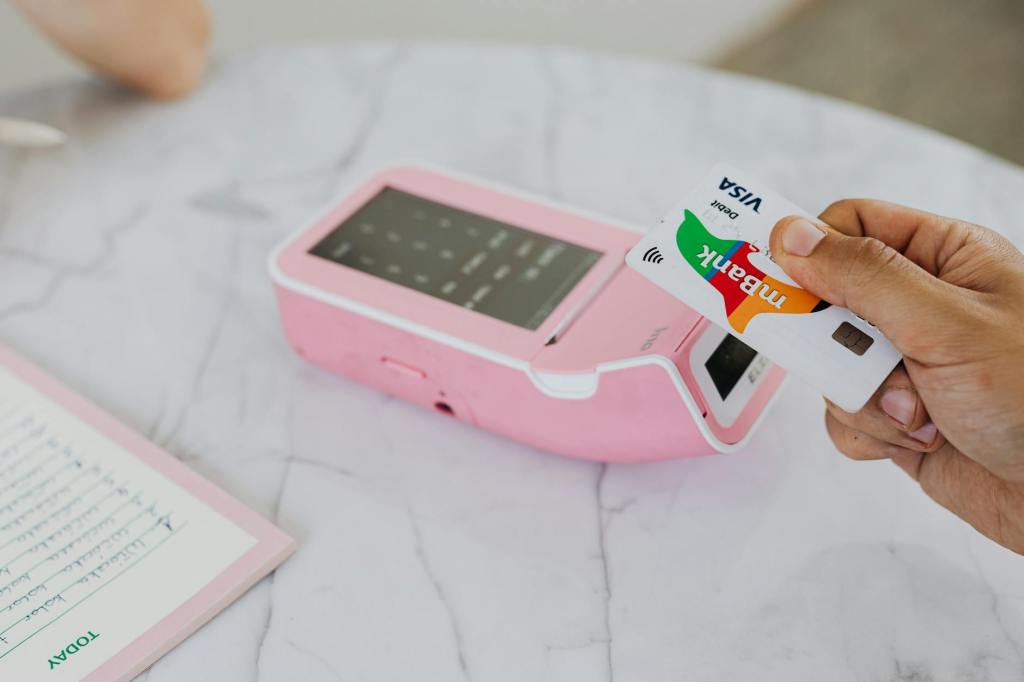
- Debit Card: Swipe at the pharmacy or doc’s office.
- Checkbook: If you’re old-school, you can write checks from your HSA account.
- Reimbursement: If you already paid for a medical expense, just transfer from your HSA to your bank account afterward.
🌟 The Bottom Line
An HSA can be a total game-changer—especially if you’re healthy, want to lower your taxable income, and love the idea of a triple-tax-advantaged stash for future medical (or retirement) expenses.
That’s all for now, besties! Have you got an HSA? Thinking about starting one? Let me know in the comments.
Until next time,
Your fave finance girlie 💖✨
[1] The 8% annual return I used in examples comes from the historical average return of the U.S. stock market over the long term. The S&P 500, which tracks 500 of the biggest U.S. companies, has averaged around 7-10% per year (before inflation) over the past several decades.
Resources
1. Check if you’re eligible for an HSA
2. Calculate future medical expenses
3. Find an HSA-eligible plan – When you compare plans, you can filter to see HSA-eligible plans by selecting “Add filters” on the top left, and checking “Eligible for an HSA”
4. Items that Qualify as HSA-Eligible Expenses
5. HSA accounts
- Fidelity Investments – Best for investment options (and my personal favorite 🙂)
- Lively – Best for accessibility.
- HealthEquity – Best for short-term spending.
- HSA Bank – Best for reimbursement of out-of-pocket expenses.
- Bank of America – Best HSA offered by a traditional bank.


 RichHER Life
Leave a comment